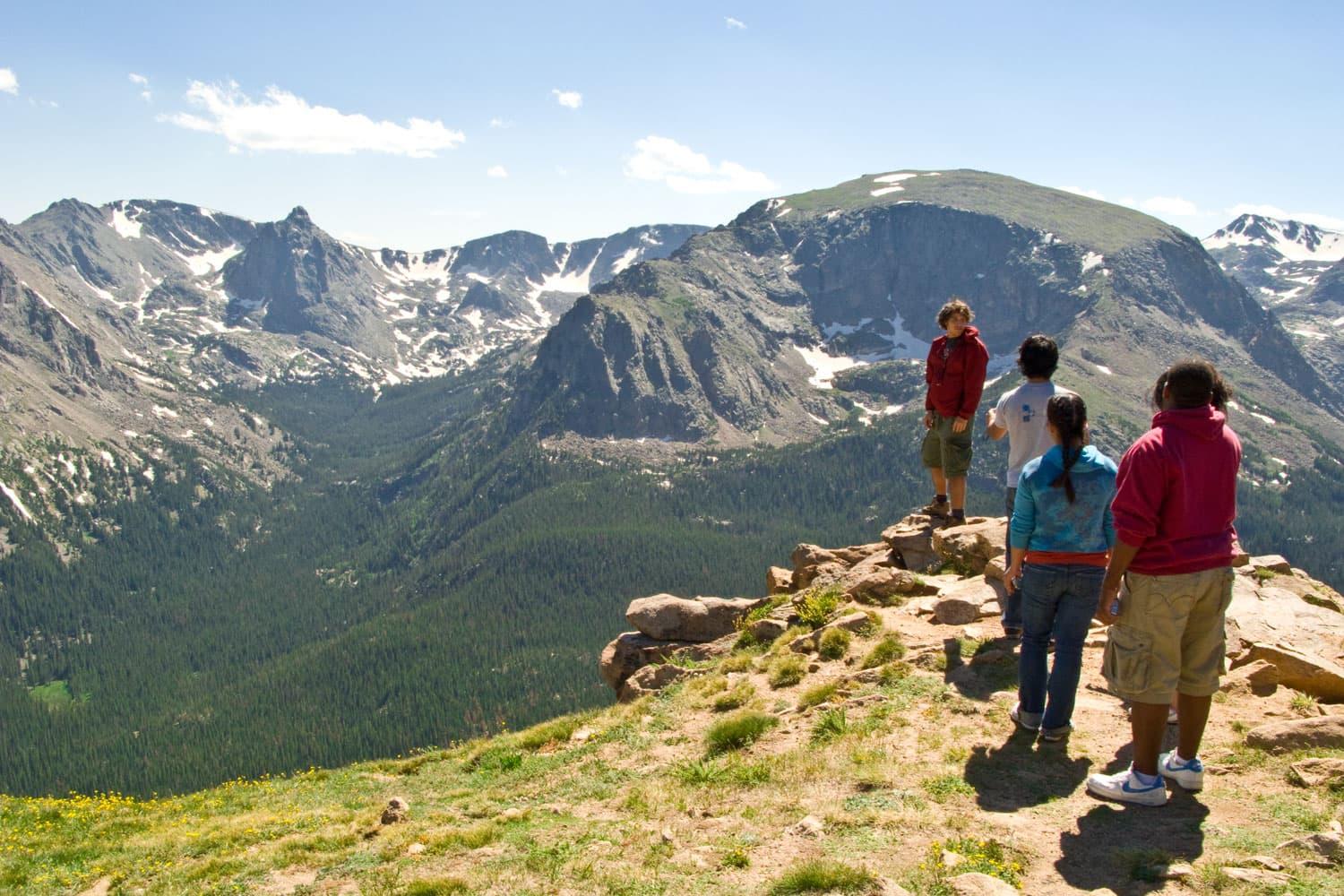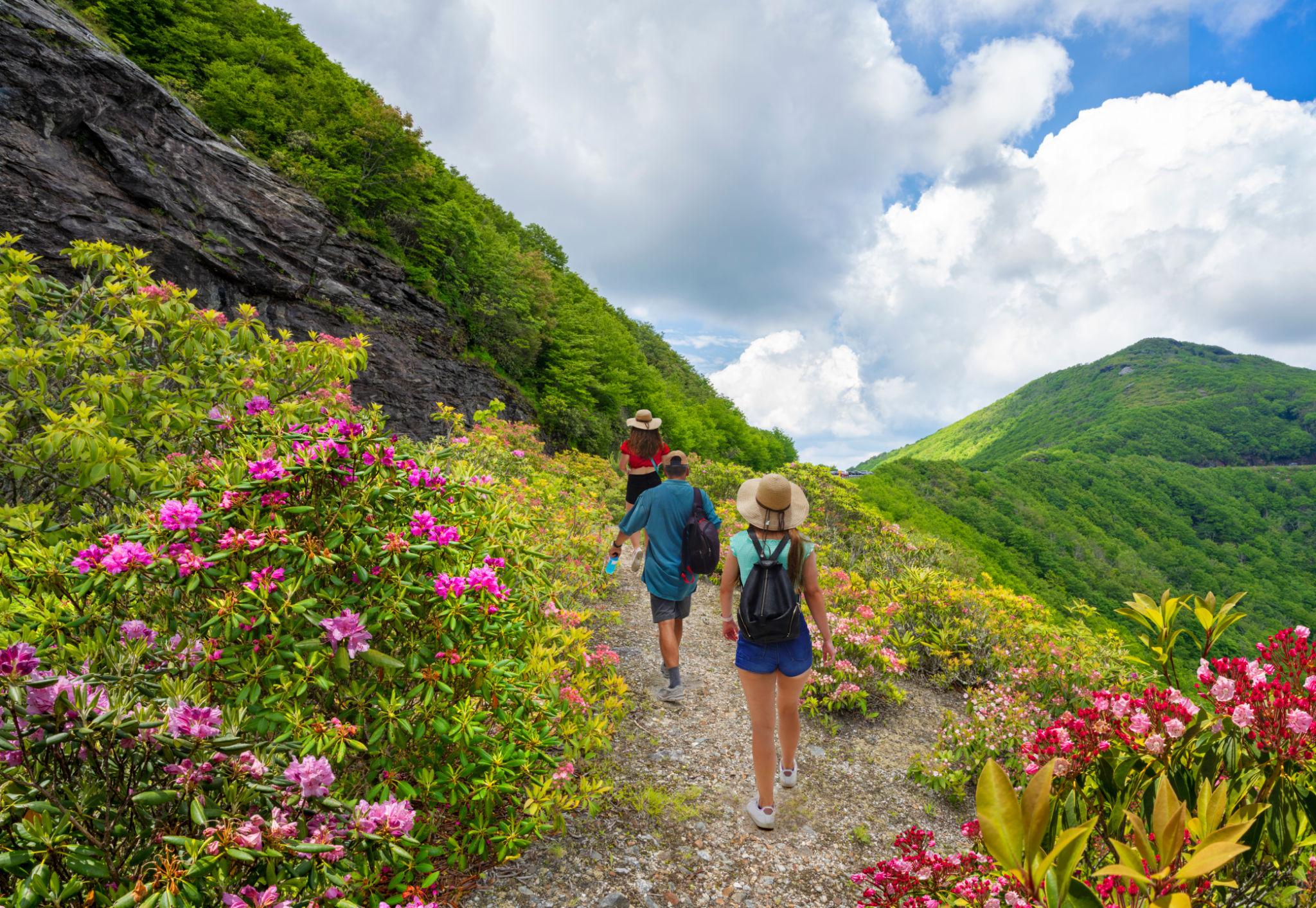
The Appalachian Mountains are among the oldest mountain ranges in the world, stretching from Canada to the southern United States. Known for their rolling hills, dense forests, and rich cultural heritage, the Appalachians offer a slower, nature-centred way of life.
Living here comes with unique challenges, but over generations, people have developed practical and resilient ways to adapt.
A Landscape That Shapes Life
Natural Environment
The Appalachian region is filled with forests, rivers, and valleys. Areas like Great Smoky Mountains National Park highlight the region’s natural beauty, with mist-covered peaks and diverse ecosystems.
Climate and Terrain
- Humid summers and cool winters
- Frequent rainfall and fog
- Mountainous terrain that can make travel difficult
These environmental factors play a major role in how people live and work.
Adapting Homes and Daily Life
Mountain-Friendly Housing
Homes in the Appalachians are often built to handle the terrain and weather:
- Elevated foundations for uneven land
- Wood-based construction for insulation
- Fireplaces or wood stoves for heating
Self-Sufficient Living
Many residents practice a more self-reliant lifestyle:
- Growing their own food
- Preserving vegetables and fruits
- Using local resources like firewood
This approach helps people stay prepared, especially in remote areas.
Transportation and Accessibility
Living in the mountains means adapting to limited infrastructure:
- Winding roads and steep slopes
- Longer travel times to cities
- Limited public transportation
Residents often rely heavily on personal vehicles and careful planning for travel.
Strong Community Connections
One of the most defining features of Appalachian life is its strong sense of community.
- Neighbors support each other during emergencies
- Local traditions and festivals bring people together
- Shared knowledge helps newcomers adapt
This community bond plays a crucial role in overcoming challenges.
Living Alongside Nature
The Appalachians are home to diverse wildlife, including:
- Black Bear
- White-tailed Deer
- Wild turkeys and songbirds
Residents adapt by:
- Securing trash and food
- Respecting wildlife habitats
- Learning safe coexistence practices
Challenges of Appalachian Living
1. Economic Limitations
Some areas face fewer job opportunities and limited access to services, requiring adaptability and resourcefulness.
2. Weather and Isolation
Heavy rains, snow, or fog can make travel difficult and sometimes isolate communities temporarily.
3. Access to Healthcare and Services
Rural mountain regions may have fewer hospitals and facilities, making planning essential.
Safety & Legal Guidelines
Protected areas in the Appalachians are managed by organizations like the National Park Service.
Important Rules
- Follow park and forest regulations
- Do not feed or approach wildlife
- Stay on designated trails
- Respect private property and protected land
These rules help preserve the natural environment and ensure safety.
Why People Choose Appalachian Life
Despite the challenges, many people are drawn to the Appalachians for:
- Peaceful surroundings
- Strong cultural traditions
- Close connection to nature
- Slower, more meaningful lifestyle
Final Thoughts
Life in the Appalachian Mountains is built on resilience, tradition, and adaptability. From self-sufficient living to strong community ties, residents have learned to thrive in harmony with their environment.
For those seeking simplicity, natural beauty, and a deeper connection to life, the Appalachians offer a truly unique and rewarding experience.